In this article (4 sections)
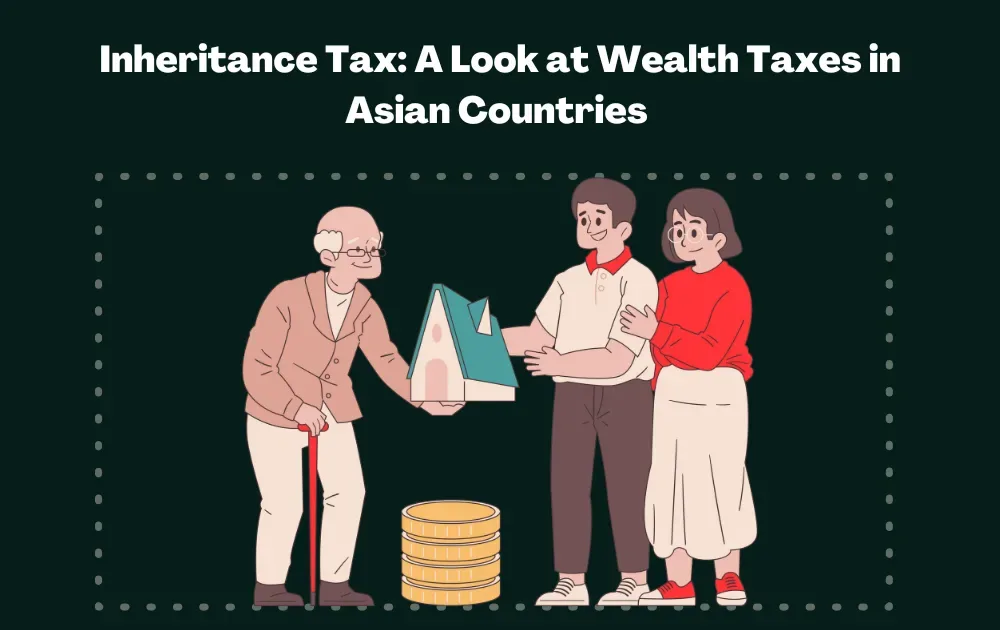
Speculation is growing that the Anwar administration might add new taxes in Malaysia's Budget 2025. This is aimed at raising money for the country and reducing the deficit. A tax that has caught the public's attention is a possible tax on wealth, income, or assets given to family members after the owner dies—an inheritance tax.
This idea has sparked a discussion, especially after some government officials said they would not back such a plan. Sarawak DAP leader, Chong Chieng Jen, spoke out against it. He said that in many Asian cultures, it is normal for parents to give their wealth to their kids. He called the inheritance tax a type of "double tax." He believed it would add more strain on families.
Malaysia’s History with Inheritance Taxation
Inheritance taxes are not new to Malaysia. The country once had a law called the Estate Duty Enactment. This law started in 1941 when Malaysia was still under colonial rule. However, this tax was stopped in 1991. It was said that the tax did not bring in much money.
Inheritance Taxes in Asia: A Regional Perspective
Is an inheritance tax common in Asia? Yes, in many cases it is. Japan and South Korea have some of the highest inheritance tax rates in the world, at 55% and 50%. This is higher than the rates in countries like France and the United States, which are 45% and 40%.
Several ASEAN countries also have taxes on inheritance or estate transfer. For example:
Vietnam has a 10% flat tax on inherited property that is worth more than VND10 million (about RM1,730). However, this tax does not apply to property inherited by close relatives. This includes spouses, children (both biological and adopted), parents, and siblings.
Thailand introduced its Inheritance Tax Act in 2015 as part of its tax changes. The law sets a 5% tax for parents who inherit property. Children inherit at a higher rate of 10%, but spouses do not pay any tax. Estates worth more than 100 million baht (roughly RM12.8 million) fall under these tax rates. There are also exceptions for inheritances given to charities, schools, and religious groups.
Singapore used to have an Estate Duty tax. However, it got rid of this tax in 2008.
On the other hand, Malaysia, Laos, Cambodia, Indonesia, and Myanmar do not have any type of inheritance tax right now.
What is the Public Response to Inheritance Taxes?
Public opinion about inheritance taxes is different in each country. Wealthier people, especially those in business, usually do not support the tax. In contrast, those in lower- and middle-income groups often back it.
In Thailand and Vietnam, inheritance taxes have not caused much public pushback. They also have not turned into split issues during elections. On the other hand, richer people in South Korea are worried about high tax rates. Because of this, the South Korean government has shared plans to cut the top tax rate from 50% to 40% on inheritances above 1 billion won. This is part of wider efforts to boost the stock market and deal with the country's falling birth rate.
Analysts say that South Korea's high inheritance tax has played a role in the "Korea discount." This term means that South Korean companies are often valued less than they should be. Family-owned businesses usually shy away from actions that could raise their company’s value. They do this because a higher value means they pay more taxes when handing the business to the next generation.
Conclusion
As Malaysia thinks about adding an inheritance tax, lessons from other Asian countries can be helpful. These taxes can bring in money, but richer people often oppose them. It's unclear if Malaysia will do what Japan and South Korea have done or take a different route like Singapore. The discussion may heat up as we learn more details about the planned Budget 2025.
See your own figures
The free calculators show what an SRS contribution does to your income tax, and what your retirement will cost.
A question about what you just read?
Ask here and a licensed adviser from our panel will reply within one business day. Introductions are free, and SRS.SG does not receive commissions or referral fees.